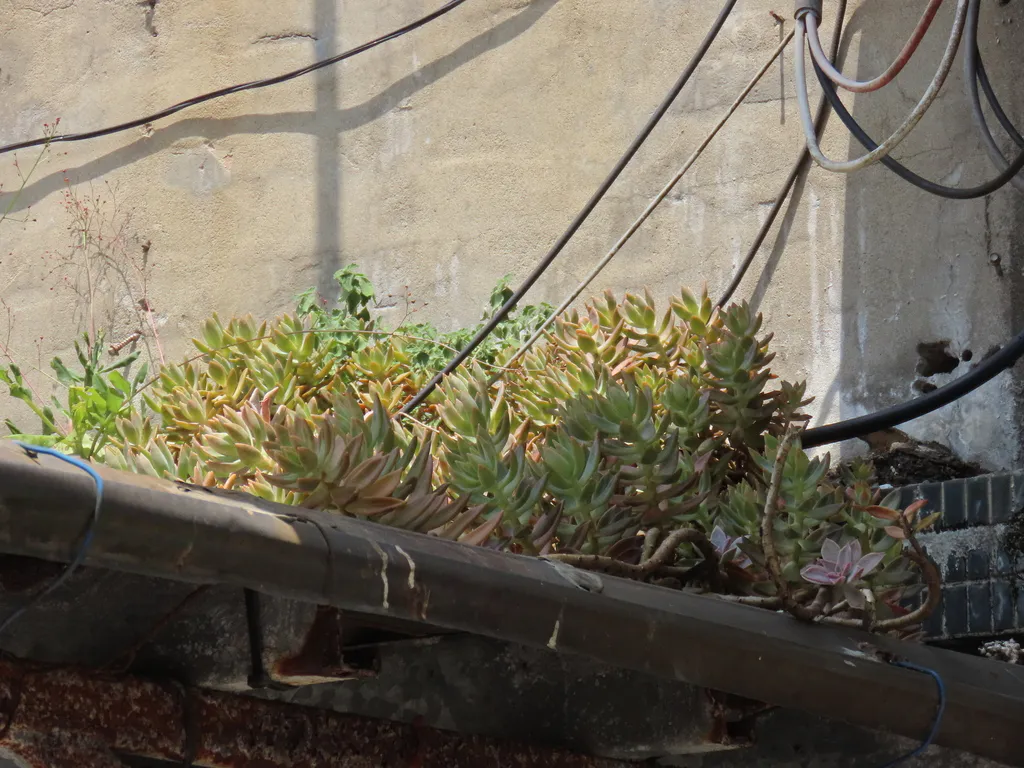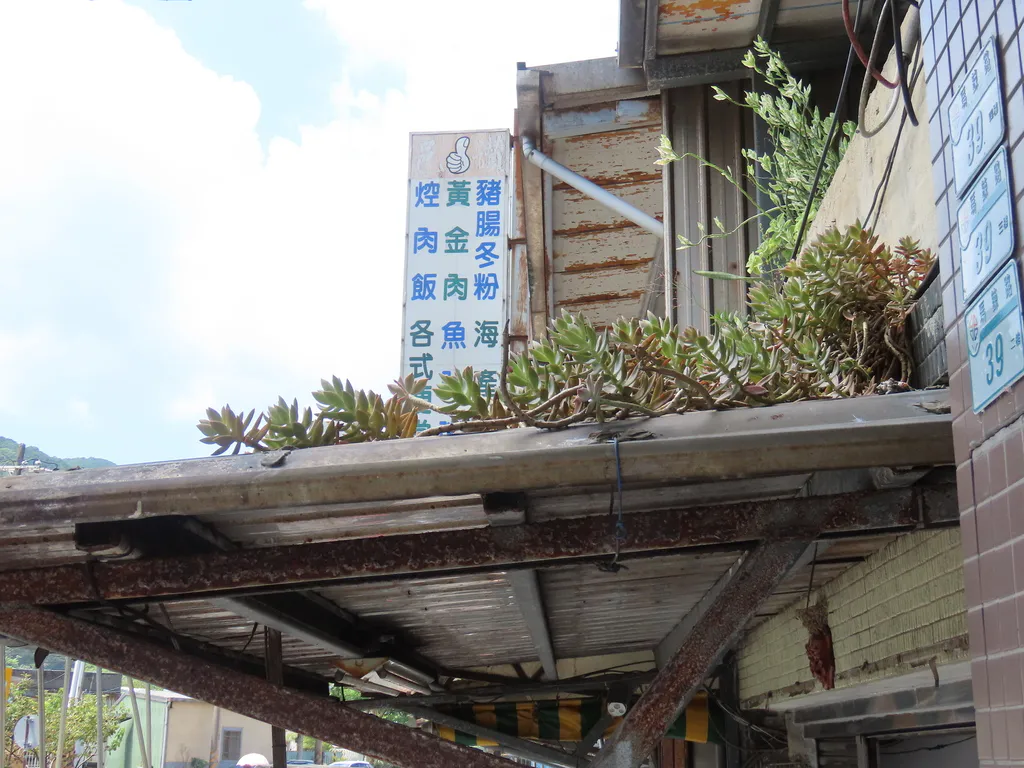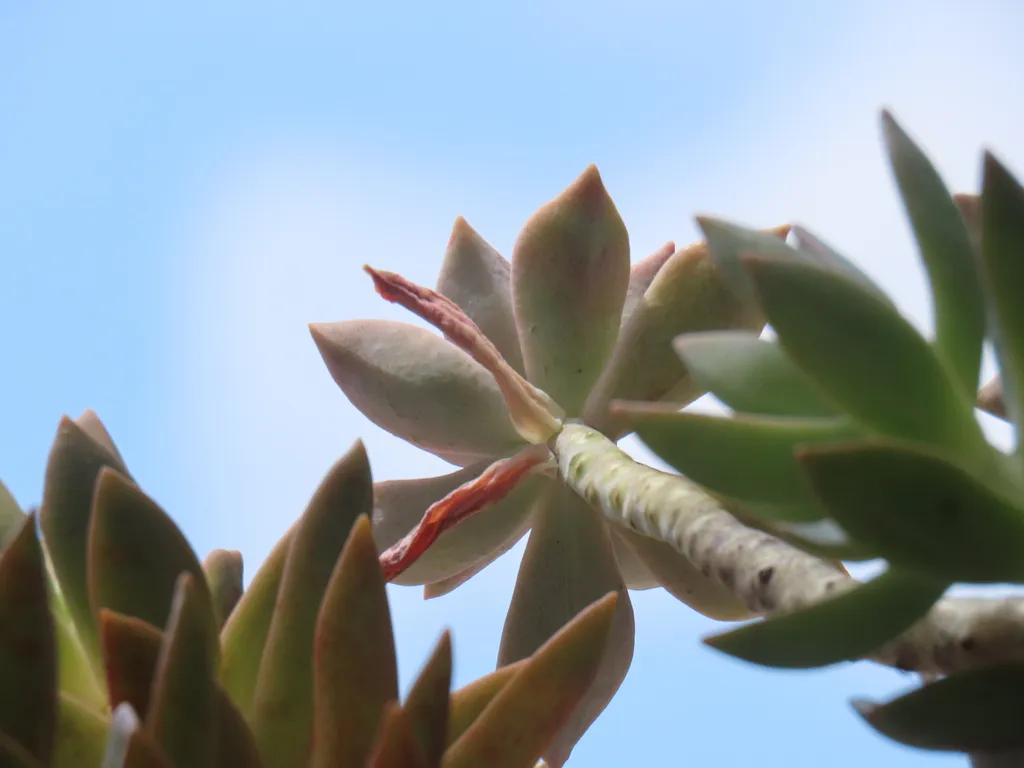
Shared planter and individual succulents
Plant 33 / 45 Shared planter and individual succulents
 Plant 33 / 45
 Probable Sedum adolphi / S. nussbaumerianum complex
Coppertone-type sedum


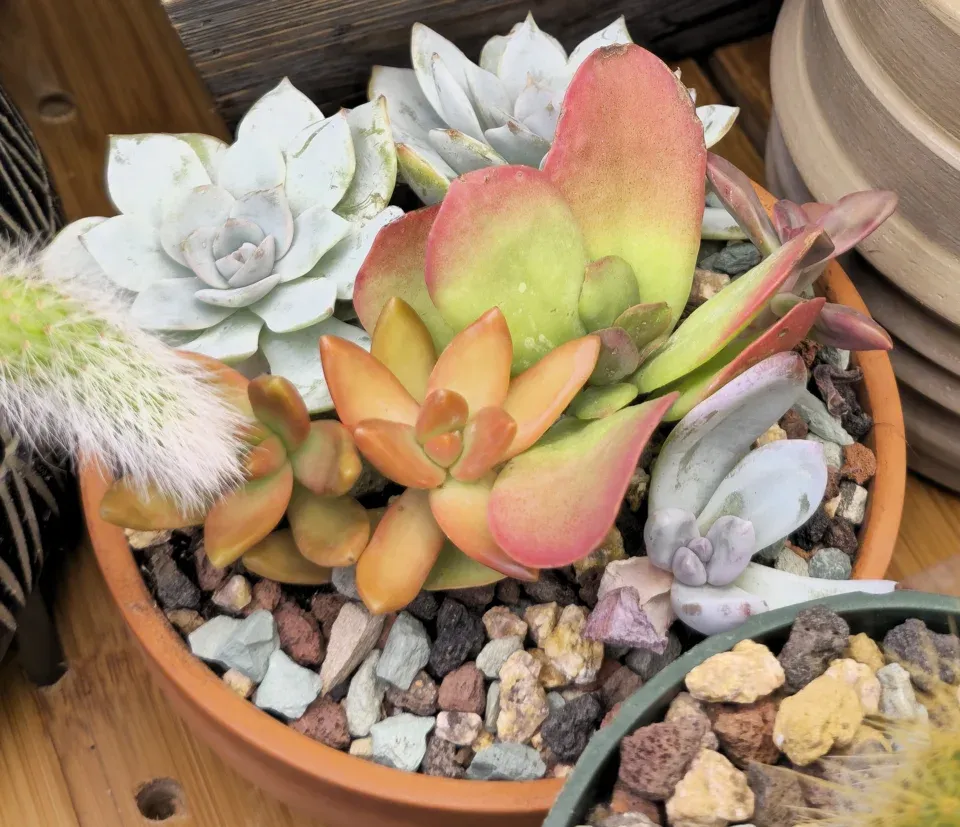
Species reference · (c) chiuluan, some rights reserved (CC BY) · CC BY · Photo Source ↗
Shared container · P30 · #6
Tiny mixed succulent planter · P30
3 botanical profiles · one container history
 Pale rosette echeveriaEcheveria sp. — species and cultivar unresolvedTentative Genus
- Coppertone-type sedumProbable Sedum adolphi / S. nussbaumerianum complexTentative Foliage MatchThis profile
 Paddle kalanchoeKalanchoe luciae / K. thyrsiflora complex — species unresolvedTentative Foliage Match
Three visible botanical groups share this container. Judge the shared root volume by full dry-down and whole-pot weight; do not repeatedly wet the pot for one component while the others remain firm.
One care record: log watering, feeding, weighing, and repotting once for P30. Include a plant's name when an observation concerns just that member.
 Collection Record
- Succulent-10B
 Permanent Label
#6 Identification
 Status
 Acquired From
- Home Depot as part of the Smart Planet Home / Altman Plants mixed succulent garden
 Acquired On
- 2026-09-02
 Google Sheets ID
- P30 ↗
 Photo History
- 6 captures · newest ↓
Measurements and Care History
 Measurements and Care History
Weights, watering, events, and charts for P30.
Spot it
 Spot it
What it looks like
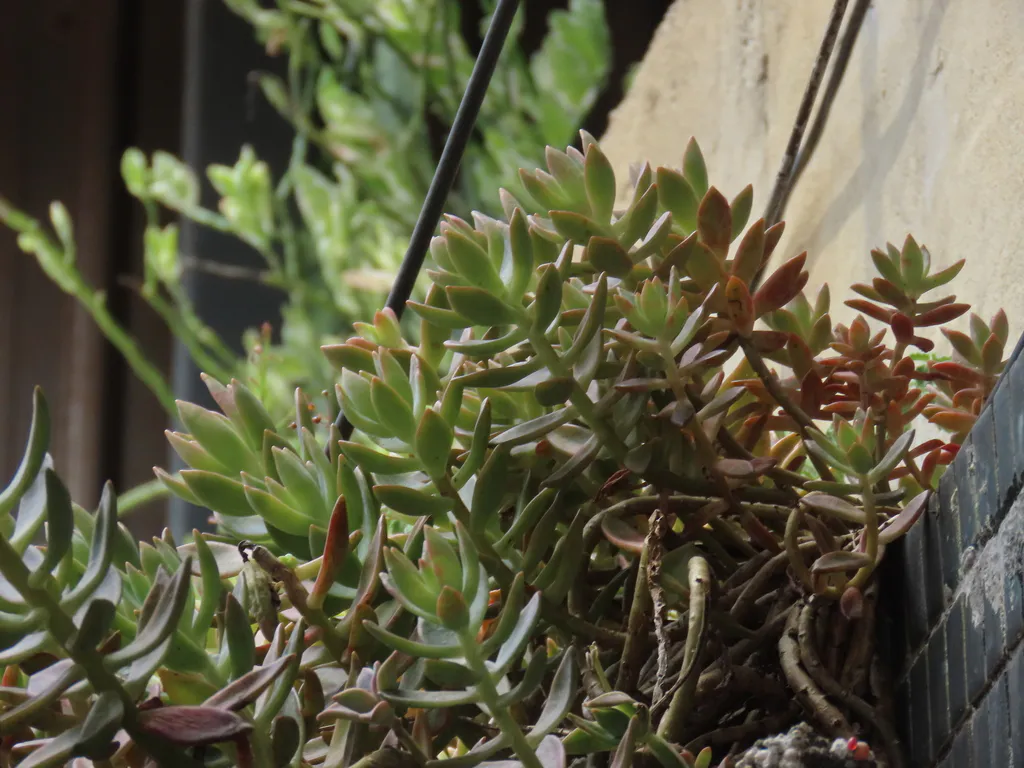
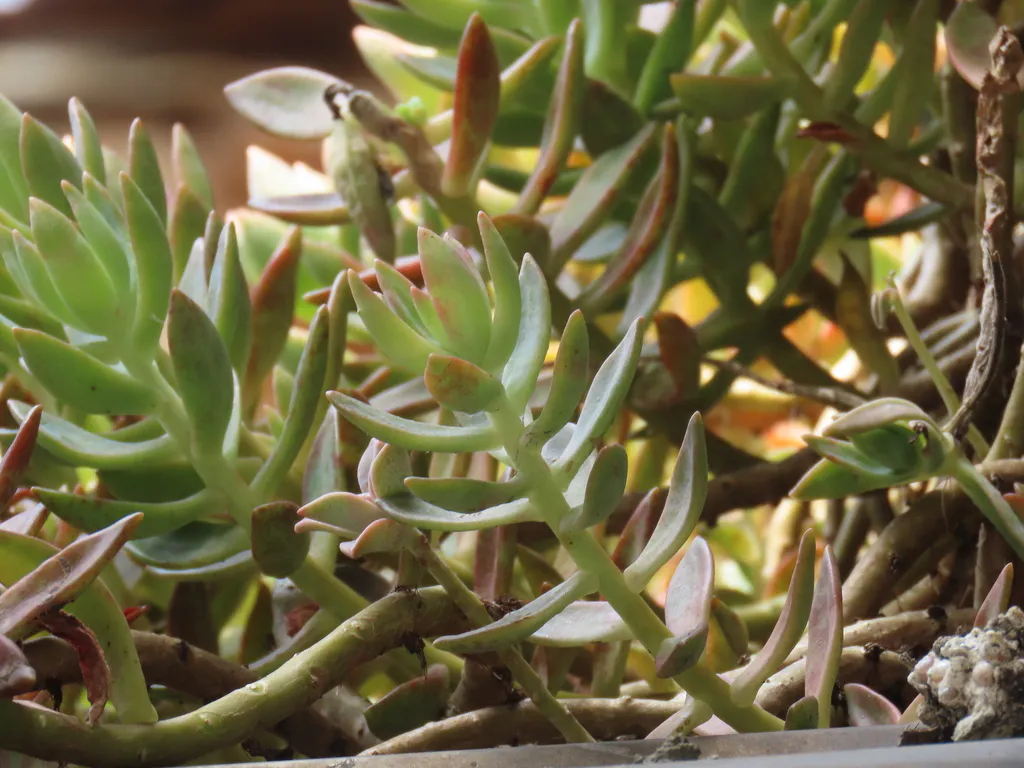
Copper-orange to yellow-green narrow fleshy leaves form loose rosettes along short branching stems in the tiny shared planter.
One curious thing
 One curious thing
Did you know?
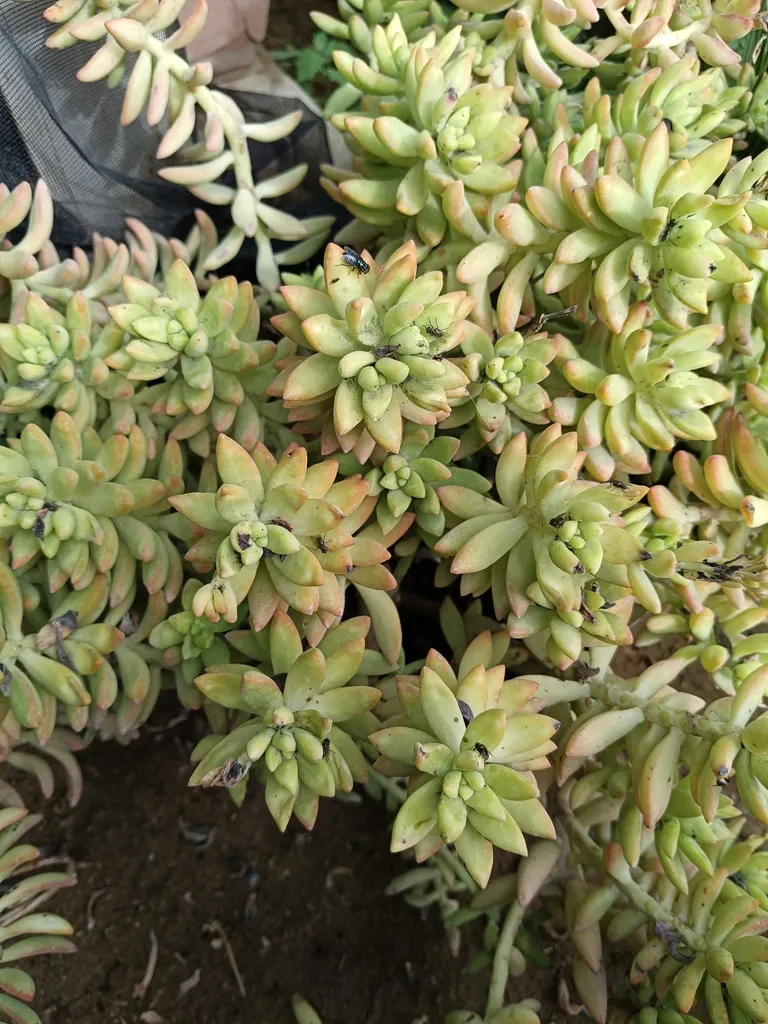
In the proposed Sedum adolphi group, stems spread along the ground and turn upward at their tips, carrying copper-toned leaves above a low, spreading framework.
Explore This Plant
A closer look
How this plant works
 How this plant works
Narrow fleshy leaves cluster around the tips of spreading, branching stems.
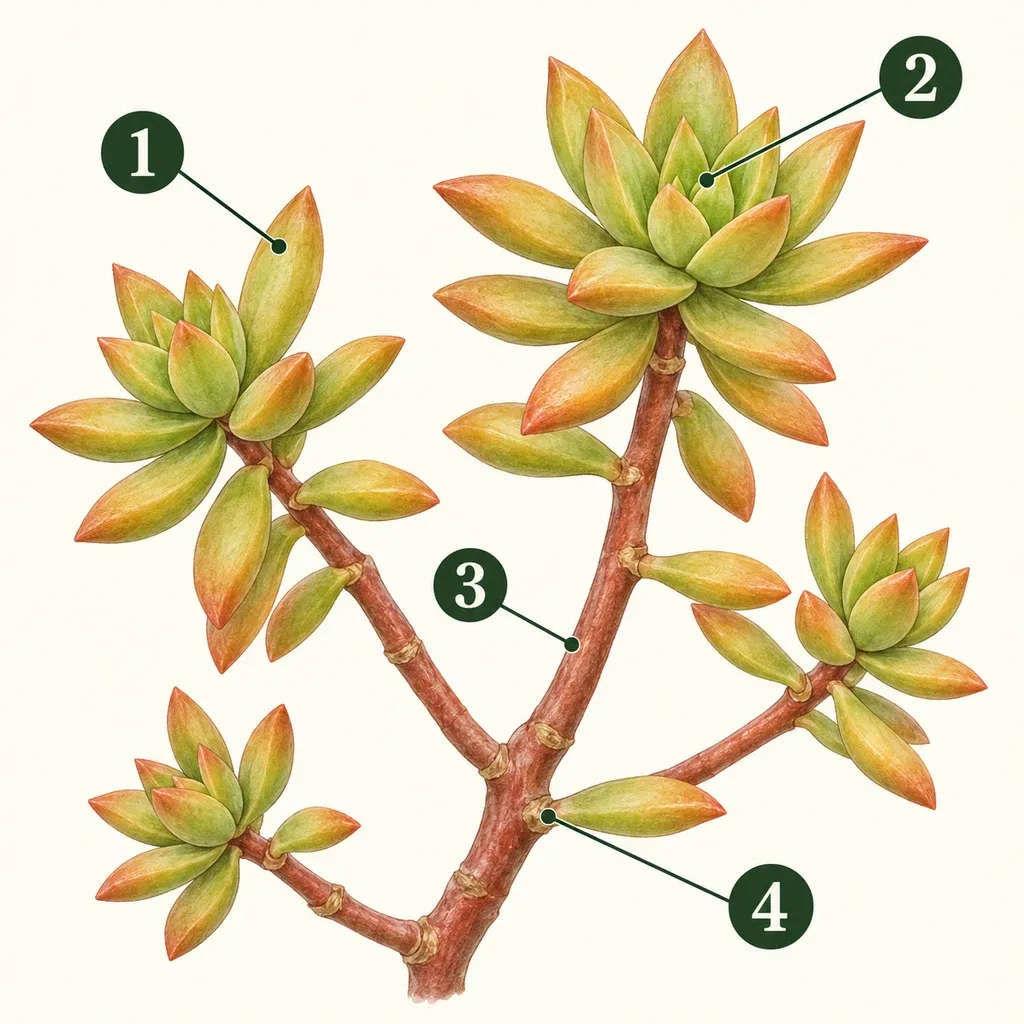
Fleshy leaf
A narrow, pointed succulent leaf carries stored water.
Shoot tip
Leaves cluster around the end of an extending shoot.
Branching stem
The reddish stem supports leaves beyond the original crown.
Leaf node
A node marks a leaf's attachment along the stem.
Anatomy sources: [1]
Habitat and origins
 Habitat and origins
Sedum adolphi comes from Mexico and grows as a low succulent subshrub. Its stems spread along the ground before turning upward at their tips, allowing the plant to extend sideways while keeping its leafy shoots raised.
Habitat sources: [1]
What growth can look like
 What growth can look like
- Stage 1
Small leafy shoot
Short shoots hold the copper-toned foliage close together.
- Stage 2
Spreading branches
Stems extend and turn upward at their tips.
- Stage 3
Mature flowering shoot
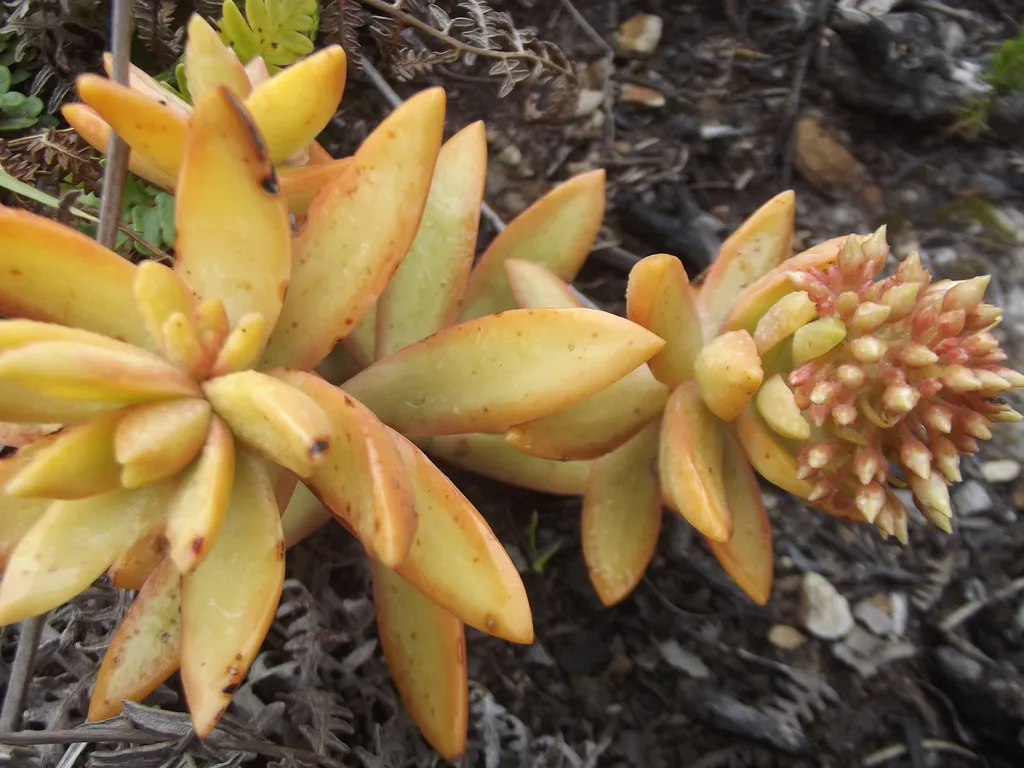
Established growth may produce pale flower clusters.
Follow new shoots and branching over time; leaf color can shift with growing conditions.
Growth sources: [1]
Flowers
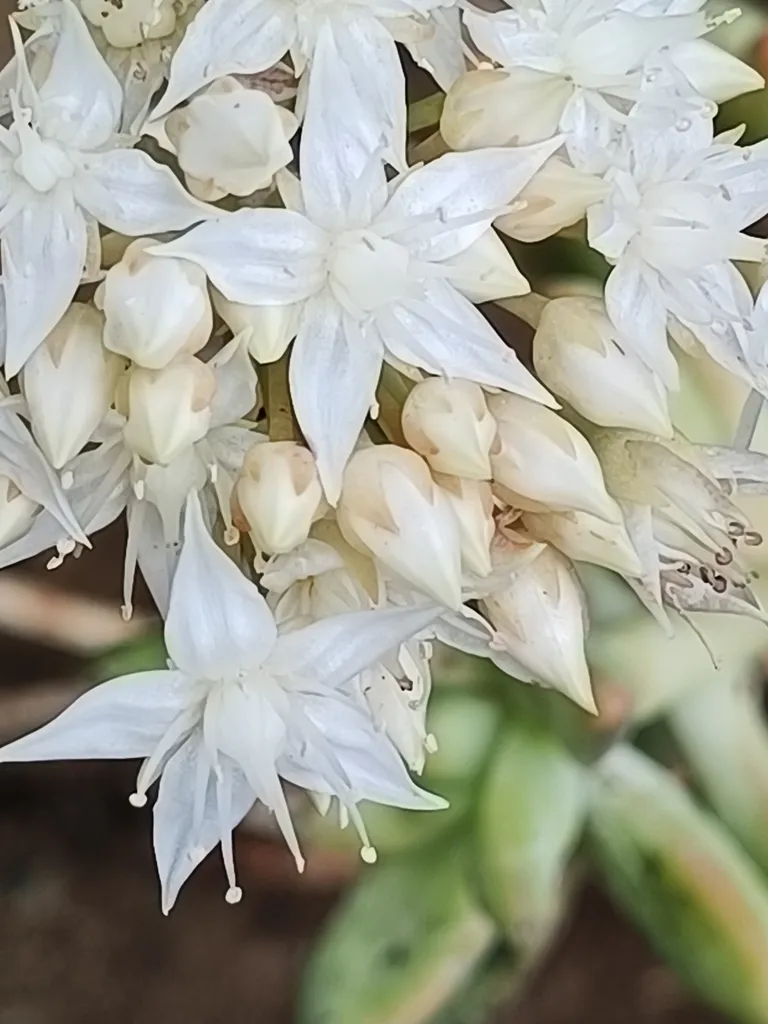
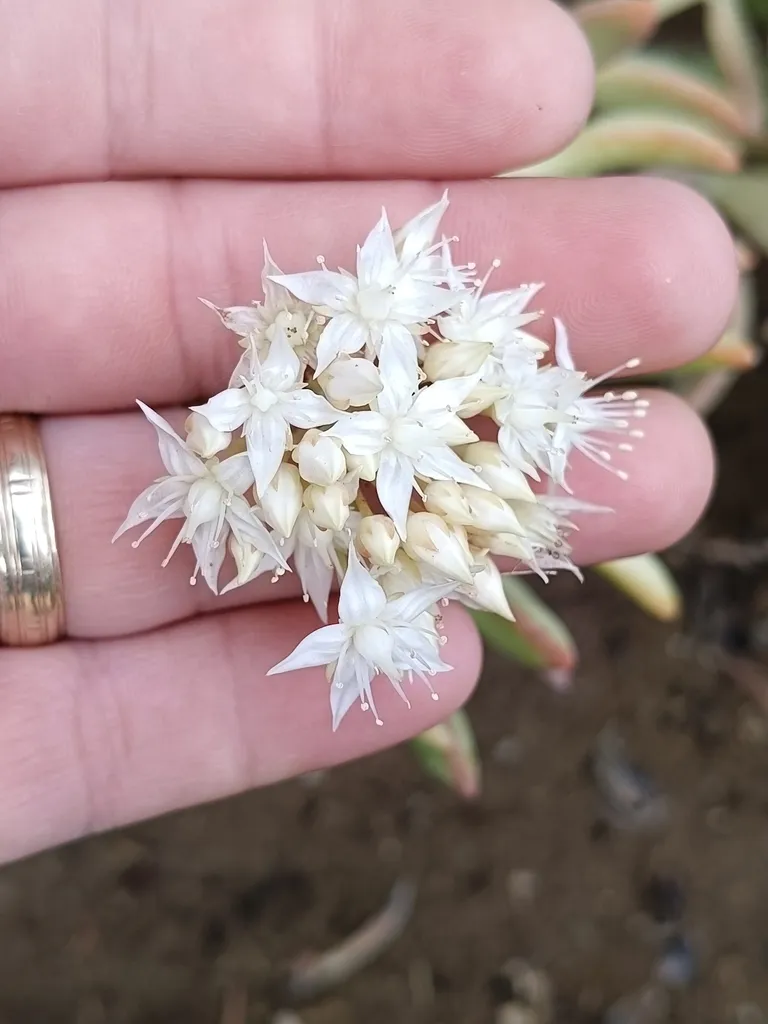
White, lightly scented stars gather in fairly flat clusters. Look closely at a flower’s center for the stamens, the slender pollen-bearing parts surrounding the center.
Sources: [1]
As it matures
NParks lists roughly 20 cm height and 60–90 cm spread for S. adolphi. That broad, low habit explains how its stems can gradually weave through neighboring rosettes in a container.
Sources: [1]
Behind the name
Coppertone describes the warm tint of the leaves. NParks lists Sedum nussbaumerianum as a synonym of S. adolphi, explaining why both names occur in horticulture.
Sources: [1]
Similar plants, useful clues
Pale rosette echeveria ↗
Compare its broad powdery leaves and compact crown with the sedum's narrower leaves on visible stems.
This plant in the collection
Its story so far
Joined the collection
Acquired in the Smart Planet Home mixed succulent garden from Home Depot.
Collection record ↗Repotted together
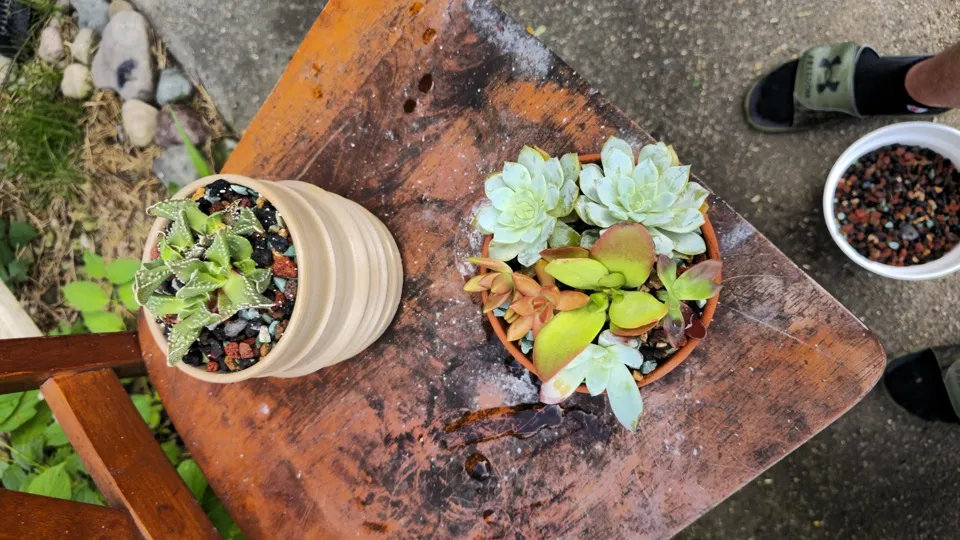
The rosettes, copper-toned shoots and broad paddles stayed together in the terra-cotta planter.
Collection record ↗
Then and now
Explore the sources
 Explore the sources
Names and identification
| Kind | Record |
|---|---|
| Common reference name | Coppertone-type sedum |
| Scientific name | Probable Sedum adolphi / S. nussbaumerianum complex |
| Seller evidence | Mixed garden label only; no component-specific botanical name |
| Profile scope | One recognizable foliage group in the shared planter |
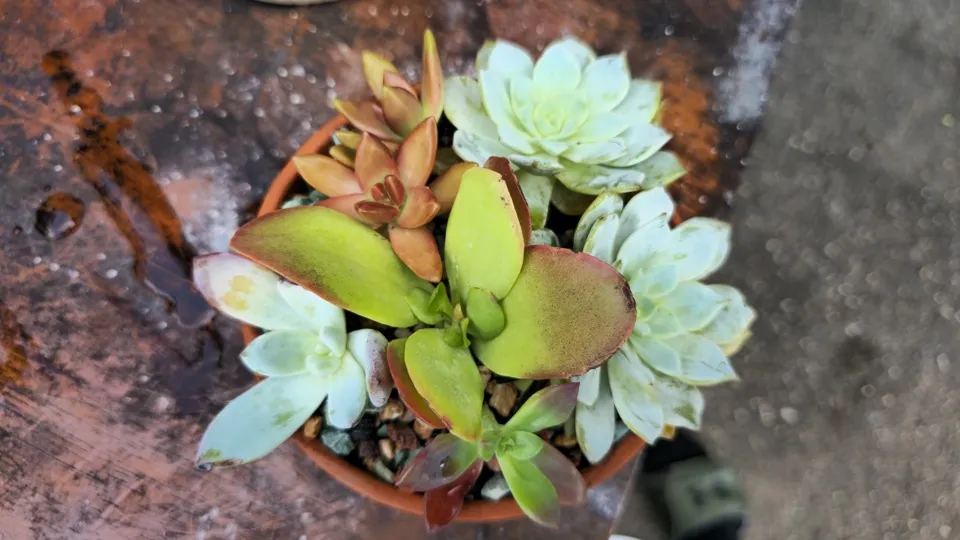
The narrow, orange-toned leaves and short stems in the September 2 and September 16 photographs fit the working coppertone-type sedum group. Its narrow leaves and branching habit contrast with the broad-leaved rosettes beside it.
Collection evidence and shared history
This component belongs to the tiny mixed succulent planter, acquired and repotted on September 2, 2026. The September 2 top view and September 16 close view show three recognizable foliage groups within the seller's five-plant garden.
The other component pages are pale rosette echeveria and paddle kalanchoe. All share #6 / P30, one root volume, and one watering and weight history.
Botanical context

NParks describes Sedum adolphi from Mexico as a low succulent subshrub with pointed fleshy leaves, yellow-green to orange coloration, reddish margins, and white star-shaped flowers. It lists S. nussbaumerianum as a synonym. Its cultivation guidance allows sun or semi-shade, calls for drying between waterings, and notes stem-rot risk when the medium stays too wet.
Care in this collection

| Topic | Practical approach |
|---|---|
| Position | Remains inside P30, at the photo-matched front of the rear zone between #1 and #5. See the current placement guide. Exposure at individual leaf height remains unmeasured. |
| Light and neighbors | Give the orange stems a clear view of the existing lights. Compare shoot length and leaf spacing with dated photographs, and acclimate gradually to lighting changes. |
| Water | Follow the shared-pot watering strategy: assess dryness throughout the pot, the weight trend, and all three foliage groups before watering and draining the container. |
| Weighing | Weigh the complete P30 planter using the adaptive weighing strategy. |
| Feeding | Use the shared planter's fertilizer schedule during a normal watering; the dose applies to the whole pot. |


Growth and watch points

Do not give this component separate small top-ups while the rest of P30 remains wet. If a stem deteriorates while its neighbors look unchanged, record the affected group in the whole-pot note rather than treating that as evidence that every component needs water.
Watch for extending stems shading the pale rosettes or leaning through their leaves. Pruning or separation may become useful if those stems crowd or shade the neighboring rosettes.
Sources

- NParks Flora & Fauna Web: Sedum adolphi — synonym treatment, native range, morphology, and drainage guidance.
- Owner's September 2 top view and September 16 close view — original collection appearance; copyright Nick, all rights reserved.
- Shared-planter acquisition and nursery-label evidence — source of acquisition, seller, and repot context.
Through the seasons
Plant Photo History
Recent photographs of this plant. Open a photo or its collection for the complete history.
From the nursery
Nursery Labels
Original nursery labels and packaging.




Botanical reference photos
Reference Gallery
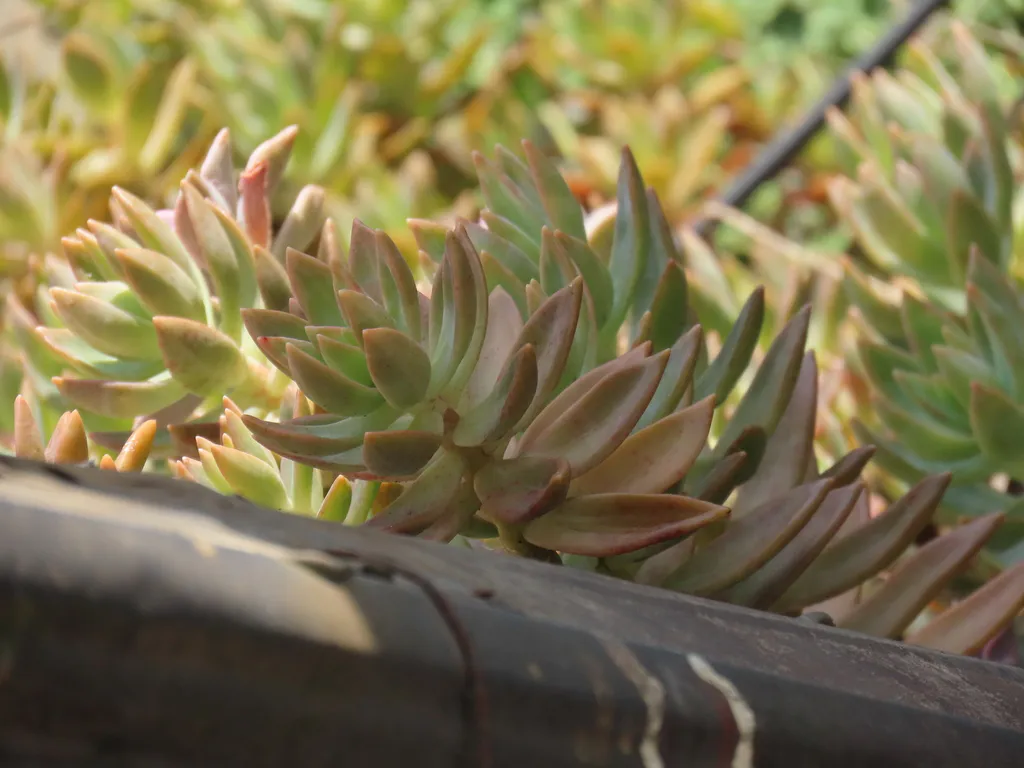
Sedum adolphi / S. nussbaumerianum comparisons
Form and growth
Look closer
Flowers and buds
In the landscape