


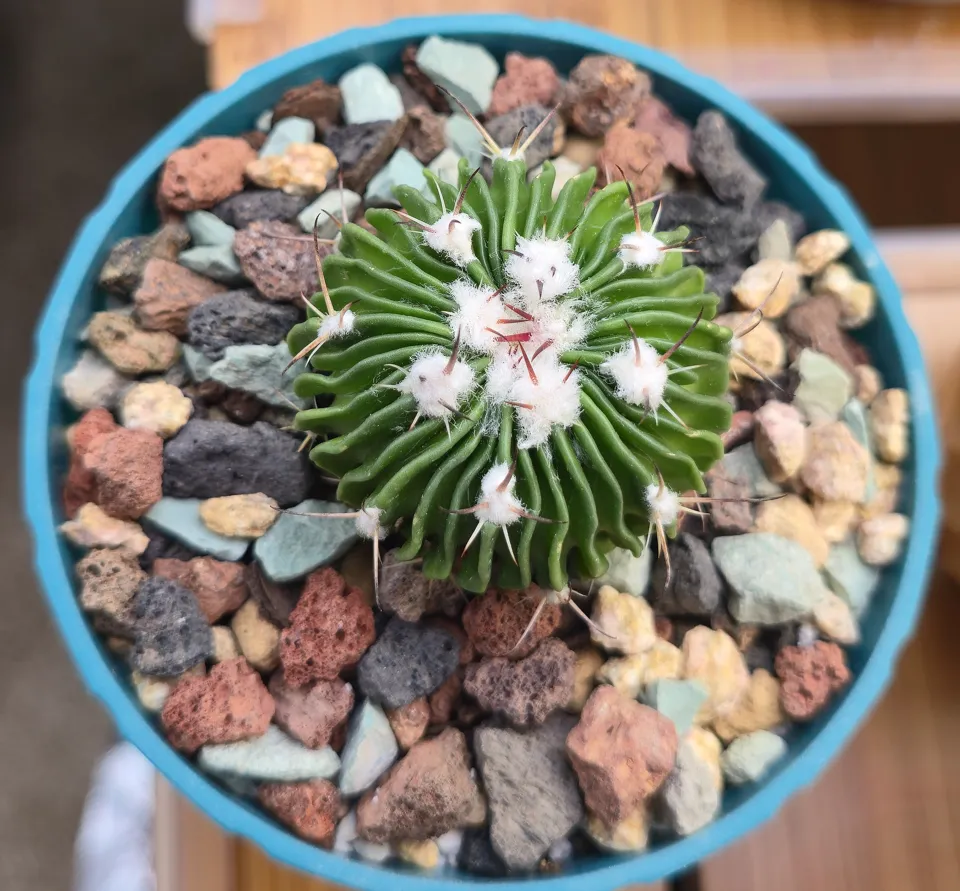
Cactus collection
Plant 04 / 45 Cactus collection
 Plant 04 / 45


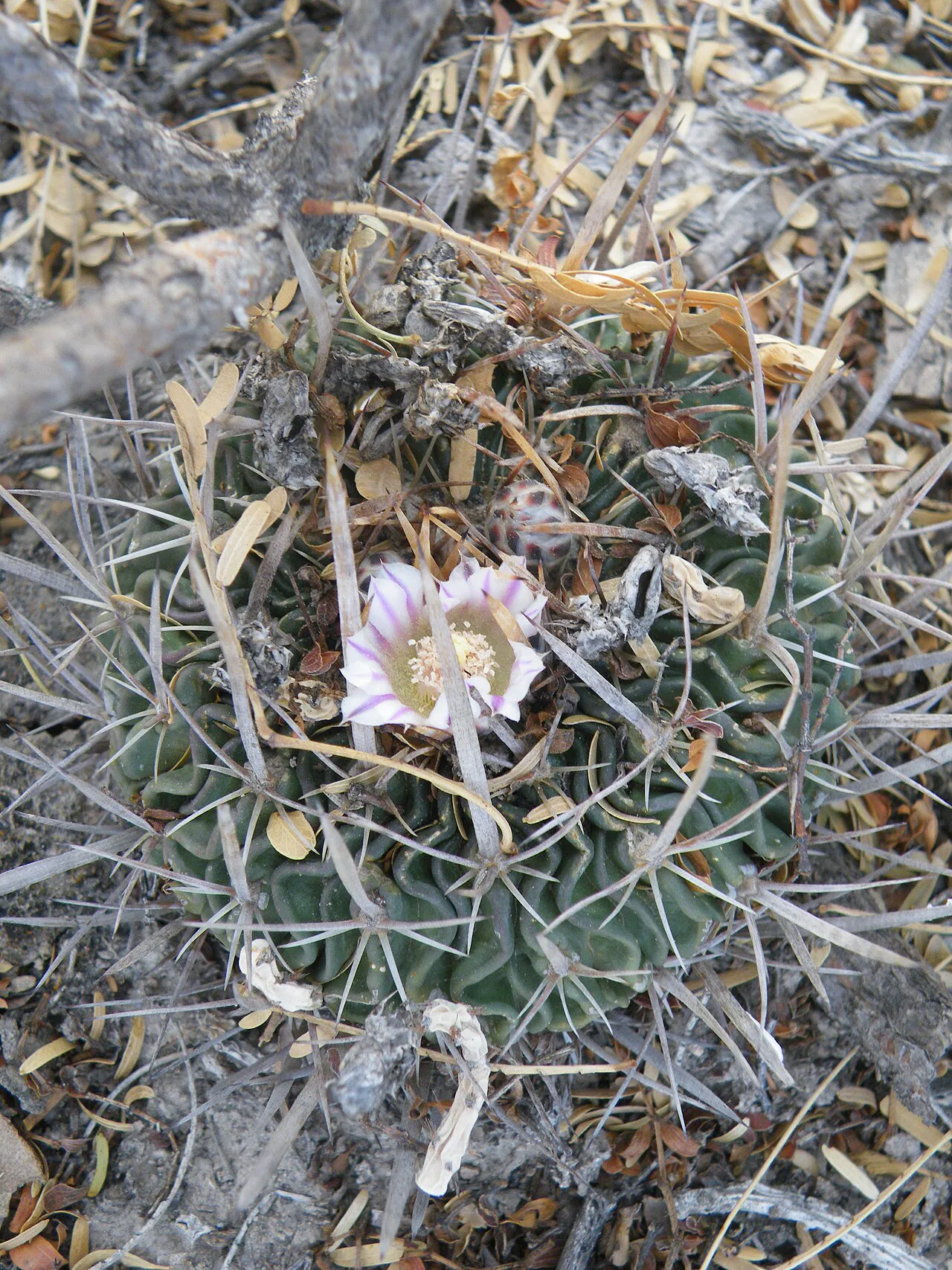
Species reference · Amante Darmanin from Malta · CC BY 2.0 · Photo Source ↗
 Collection Record
- Starter-02
 Permanent Label
B1 Identification
 Status
 Acquired From
- Costa Farms
 Acquired On
- 2026-07-23
 Google Sheets ID
- P04 ↗
 Photo History
- 4 captures · newest ↓
Measurements and Care History
 Measurements and Care History
Weights, watering, events, and charts for P04.
Spot it
 Spot it
What it looks like
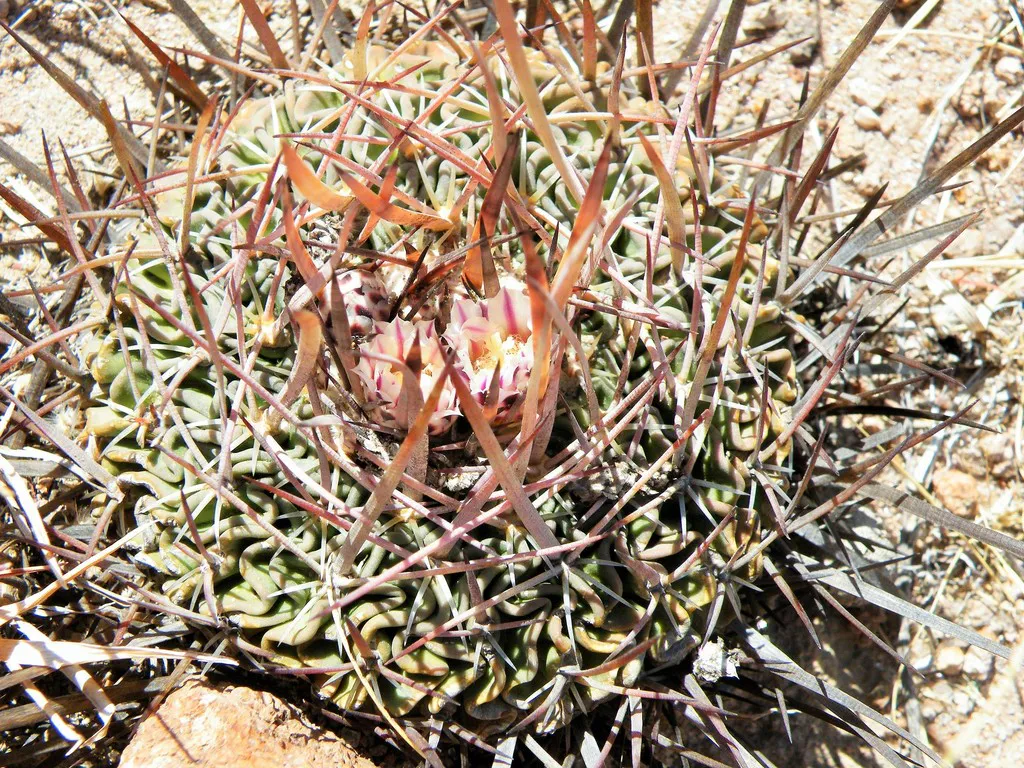
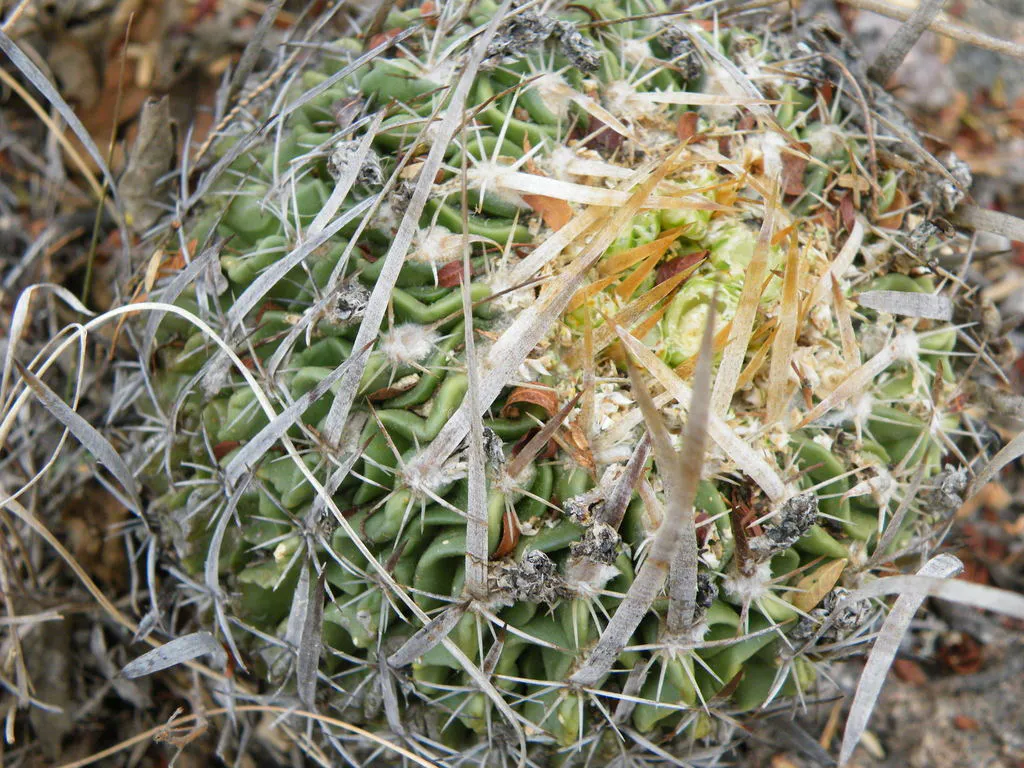
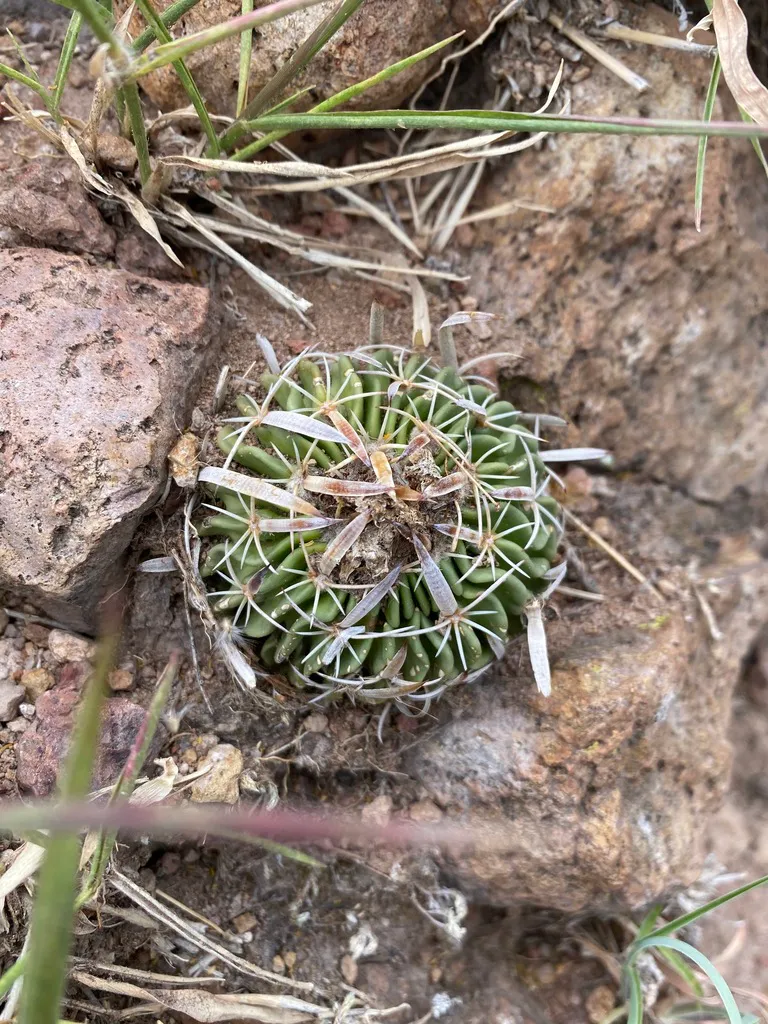
A small green globe packed with dozens of thin, wavy ribs, topped by long flattened spines that cross over the rippled surface like pale grass blades.
One curious thing
 One curious thing
Did you know?
Those crowded ribs work like an accordion: their folds can expand as the cactus takes up water without requiring the entire outer surface to stretch evenly.
Explore This Plant
A closer look
How this plant works
 How this plant works
The ribs and the grass-blade-like spines are separate structures with very different shapes.
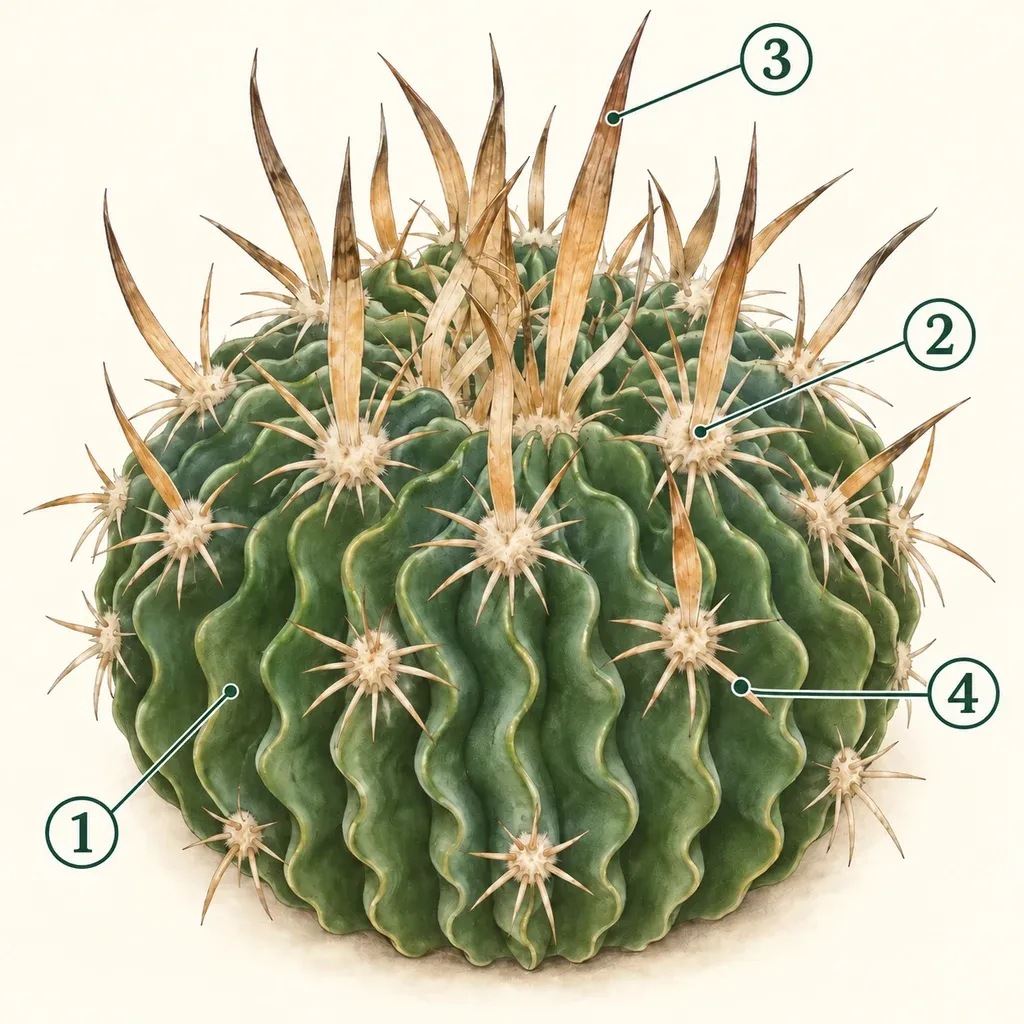
Wavy rib
Thin, strongly folded ribs divide the round green body.
Areole
A small pale growing cushion occurs at intervals along a rib.
Flattened central spine
The long upper spine is broad and blade-like rather than a leaf.
Short radial spines
Much shorter pale spines spread around the areole beneath the prominent central spine.
Habitat and origins
 Habitat and origins
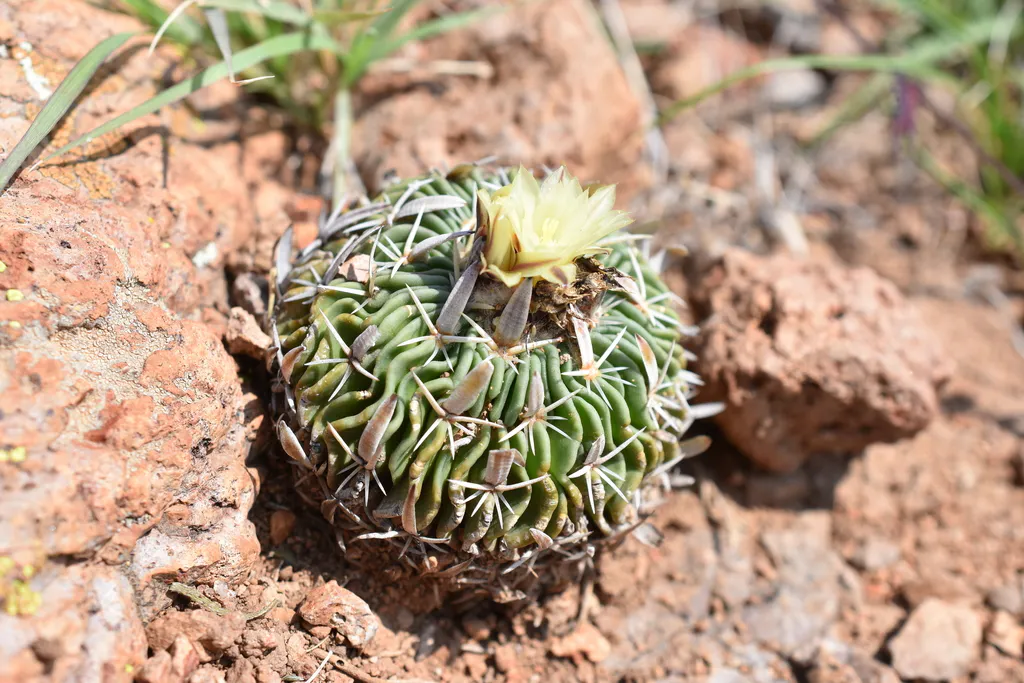
This Mexican species grows in dry shrubland and grassland. Its low body combines many narrow, wavy ribs with sparse areoles and long, flattened central spines.
What growth can look like
 What growth can look like
- Stage 1
Compact globe
A young plant develops crowded ribs and its first contrasting spine groups.
- Stage 2
Blade-spined adult
Long flattened upper spines become conspicuous above the wavy body.
- Stage 3
Older plant
The body can become somewhat taller and develop corky tissue near its base.
Folded cactus ribs allow the stem to expand and contract as its water stores change, without stretching the outer surface evenly.
Flowers
Small yellowish-white flowers with a reddish-brown throat appear near the crown. Flower color and the flattened central spines help distinguish this species from other wavy-ribbed Stenocactus.
Sources: [2]
As it matures
Bodies are usually solitary, around 3–15 cm tall and 4–10 cm wide. Many narrow ribs crowd the small stem, while only a few areoles sit along each rib.
Sources: [2]
Behind the name
The accepted Stenocactus combination was published in 1929. Kew’s synonym list preserves older Echinocactus and Echinofossulocactus names, which explains why the same labeled plant can appear under unfamiliar headings in older books.
Sources: [1]
Similar plants, useful clues
Giant chin cactus ↗
Gymnocalycium saglionis has broad, rounded tubercles and stout curved spines. Stenocactus has many thin wavy ribs with conspicuously flattened upper spines; both are ribbed globes, but their surface architecture differs.
This plant in the collection
Its story so far
Then and now
Explore the sources
 Explore the sources
Names and identity
| Kind | Name |
|---|---|
| Accepted botanical name | Stenocactus phyllacanthus (A.Dietr.) A.Berger |
| Common and collector names | Grass-blade cactus; brain cactus is used loosely for several Stenocactus species |
| Older genus often seen | Echinofossulocactus |
| Name clue | phyllacanthus refers to the conspicuously flattened, leaflike central spines |
The combination of dozens of thin, crumpled-looking ribs and a few long flat spines is much more diagnostic than overall body color. The accordion ribs let the body expand after rain without needing a permanently large exposed surface.
Origin, form, and flowers
This Mexican cactus occurs in dry shrubland and grassland across parts of the central and north-central highlands. Reported states include Aguascalientes, Guanajuato, Hidalgo, Jalisco, Nuevo León, Querétaro, San Luis Potosí, and Zacatecas. It commonly sits low among grasses and rocks rather than growing into a tall column.
The plant is usually solitary and flattened-globose to short-cylindrical. Its many narrow, wavy ribs carry sparse areoles. The longest central spines can be flat and flexible-looking like dry grass blades, helping break up the outline of the plant. Small yellowish-white flowers with a reddish-brown throat form near the crown in spring and summer.
The genus has a famously tangled naming history. Many hobby references still use Echinofossulocactus, while Kew accepts Stenocactus. Albert Dietrich first described it under Echinocactus in 1836; Alwin Berger published the currently accepted combination in 1929. Kew lists its IUCN category as Data Deficient, meaning the evidence was insufficient for a confident risk estimate.
Care in this collection

| Topic | Practical approach |
|---|---|
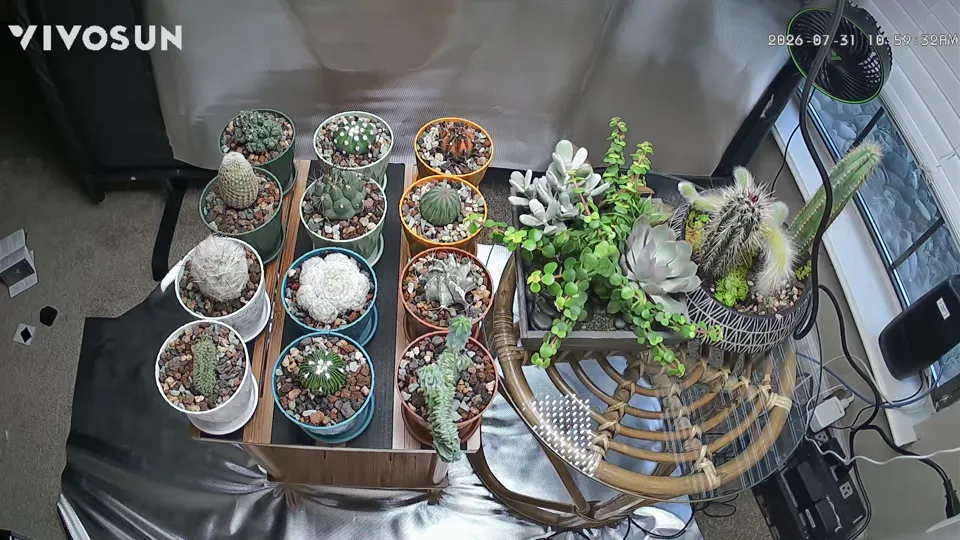
| Grow-light position | R4C1 · Bright. September 15, 2026 photo layout, facing the window (six columns, four rows). Keep a clear light path to the growing tip. See the current placement guide. |
| Water | Water deeply during active warm growth, then allow the whole pot to dry. Keep appreciably drier when cool or dormant. |
| Pot and mix | A modest pot is preferable to a large wet soil volume. Keep the wrinkled crown above the top dressing and the drainage path open. |
| Temperature | Cool, dry winter conditions can support normal dormancy and spring flowering, but protect a nursery plant from hard frost. |
| Fertilizer | Light feeding during active growth only. Excess nitrogen can make soft, unnatural growth. |


Its folded ribs make visual thirst checks unreliable: they are supposed to look creased. Use pot weight, soil dryness, and unusual loss of firmness rather than trying to “fill out” every fold with water.
Propagation and watch points
- Propagation is mainly from seed because many plants remain solitary.
- Water trapped around a recessed crown can start rot before the side looks abnormal.
- Spider mites favor hot, still conditions; mealybugs can hide between ribs.
- A little seasonal contraction is normal. A soft, discolored base or a sour smell is not.
- Keep the long flattened spine clear of neighboring woolly plants so it does not snag them when pots move.
Sources

Through the seasons
Plant Photo History
Recent photographs of this plant. Open a photo or its collection for the complete history.
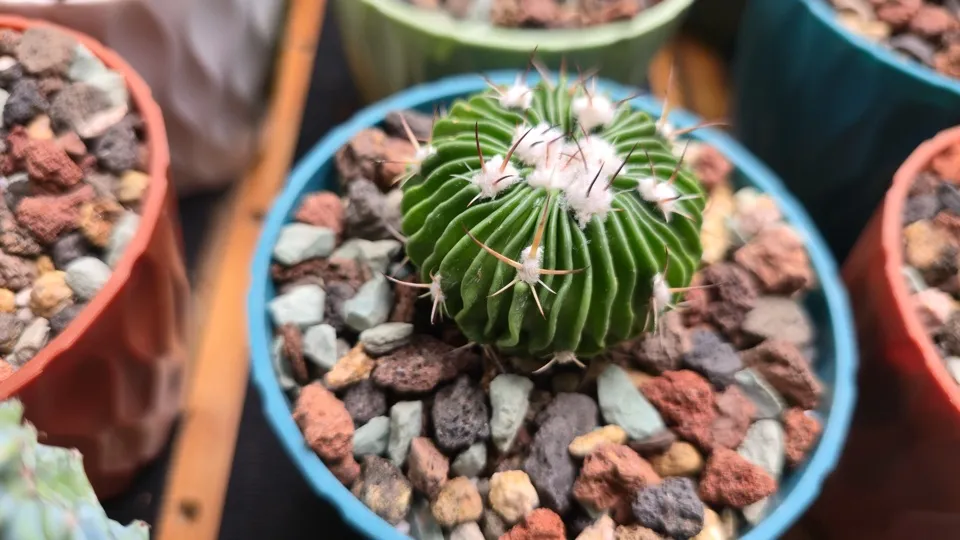
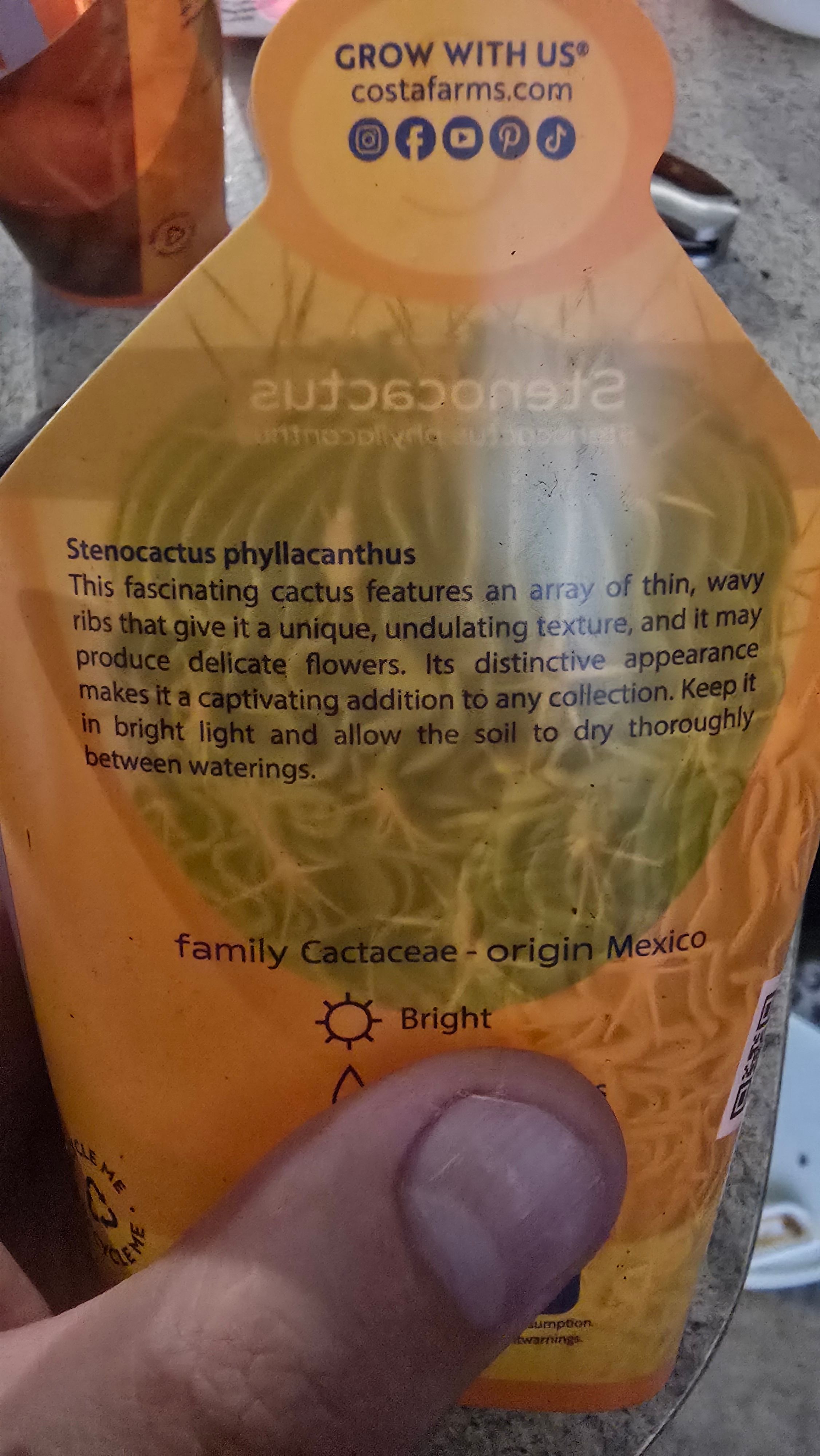
From the nursery
Nursery Labels
Original nursery labels and packaging.
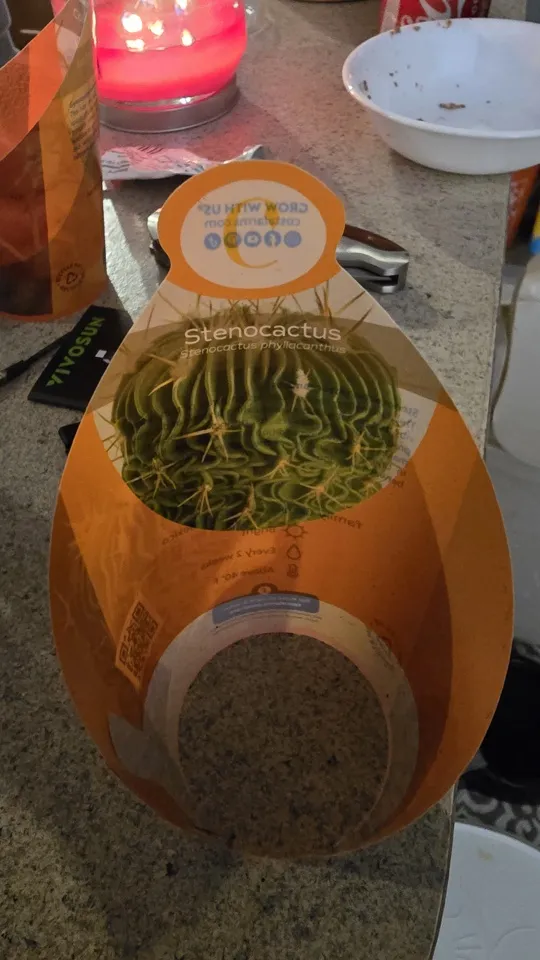
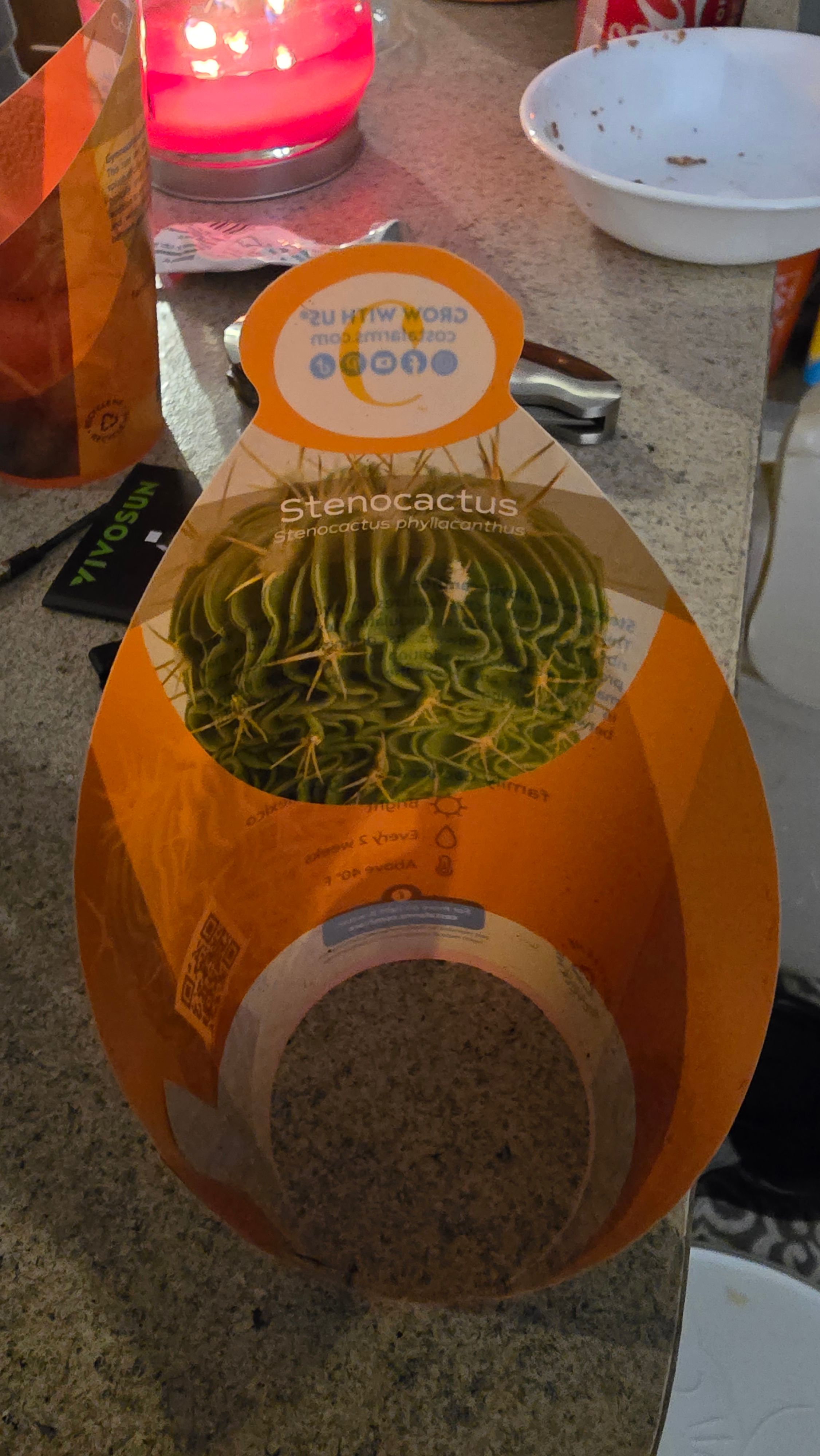
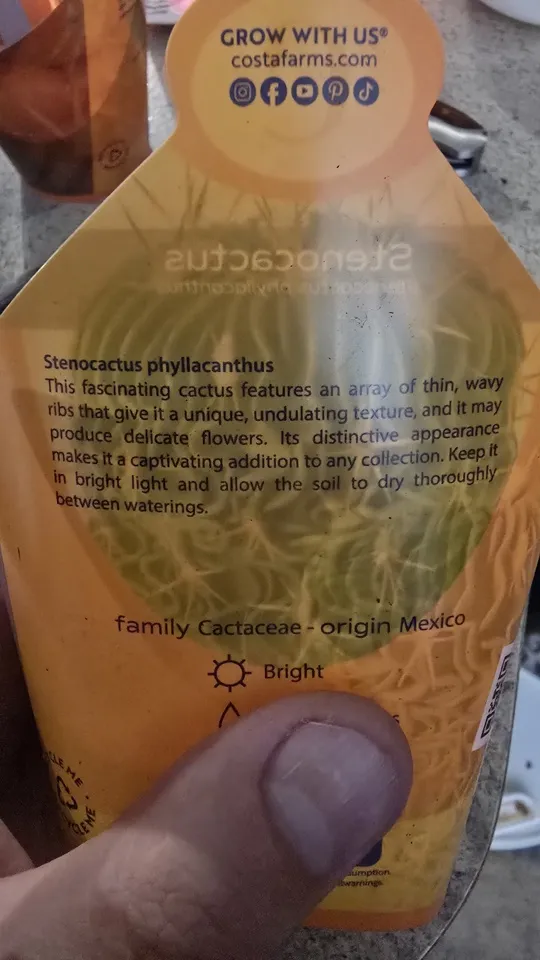
Botanical reference photos
Reference Gallery
Form and growth


Look closer

Flowers and buds


.jpg)
In the landscape
Research Trail
- Collection Notes on GitHub
- Complete Photo Archive and Credits
- iNaturalist Observations — Species observations